This week’s highlighted stories include pieces about Georgia’s disability care system, Nebraska’s auditor questioning disability funding, and community based organizations in Oklahoma being at risk of losing funding for HIV prevention.
After years of federal oversight, Georgia’s disability care system faces a new test
Ellie Fivas, Georgia Recorder
This story is about Disabled Georgians affected by a memo the U.S. Department of Justice released in June. The memo argued that the federal government can’t oversee how states provide community-based services and that some of those services don’t need to be provided at all, a position that contradicts previous legal and policy decisions such as Olmstead and the Americans with Disabilities Act.
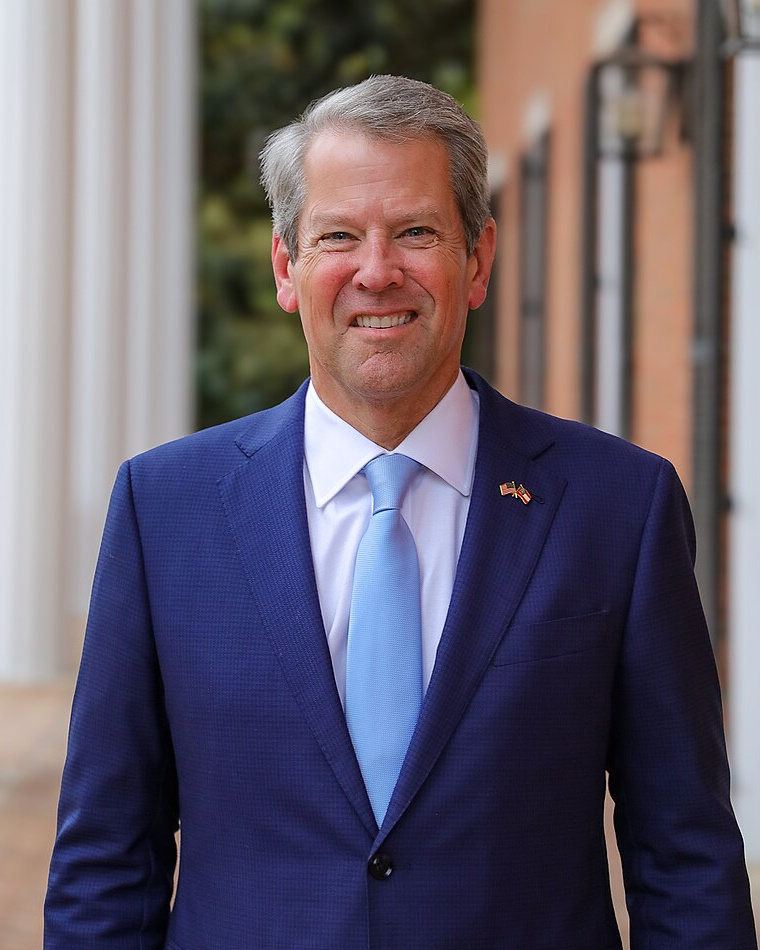
Those quoted in the article say, in addition to fear surrounding the memo, Georgia residents are at greater risk with the pressing issue of broader Medicaid cuts and funding decisions made by Republican Gov. Brian Kemp.
In 2010, Georgia reached a settlement with the federal government that required the state to expand resources for Disabled Georgians with mental illness. As of February, according to Fivas’ reporting, Georgia no longer has to abide by some portions of that settlement.
Although the potential loss of protections is a pressing concern for many, Devon Orland, litigation director at the Georgia Advocacy Office, said the current federal government’s perspective does not overturn the law. “We have decades of legal precedent since Olmstead v. L.C.,” she said.
Nebraska audit uncovers questionable billing in $434M disability program
Eliot Anderson and Ian Mason, KSN
This piece is about the Aged and Disabled Waiver Program, a state program that supports more than 8,600 Disabled Nebraskans. Over the past two years, the program’s costs have grown 65% to $434 million. An audit by State Auditor Mike Foley found “weaknesses in controls” that have led to gaps in service and improper billing by providers. In one case, a provider billed for 47 hours in a single day.
From the story:
“The people receiving assistance through the AD Waiver program deserve our full support, and honest service providers are entitled to fair compensation… [we] cannot afford to continue paying for services that were never rendered or allowing unethical providers to line their pockets with ill-gotten taxpayer money” — Mike Foley, Nebraska State Auditor
The Trump administration is shifting funding for HIV prevention. Vulnerable Oklahomans could suffer
Sierra Pfeifer and Jillian Taylor KOSU (NPR)
This story is about how funding for HIV prevention funding is being shaken by the Trump administration. The piece highlights how nonprofit organizations are at risk of losing funding which leads to less staff to do important service delivery.
The grant that these nonprofits rely on from the U.S. Centers for Disease Control and Prevention (CDC), as the story highlights, covered STI screenings, preventative medications, testing and education. This grant has not been renewed.
From the story:
“It’s one thing if I wrote a grant, and it just wasn’t a good grant, it wasn’t accepted. I can live with that,” Noel said. “But the federal government saying, ‘No, these funds are just going to go away. It is going to be redirected,’ then that’s kind of a slap in the face.” — Theodore Noel, local nonprofit leader
More DJA Coverage
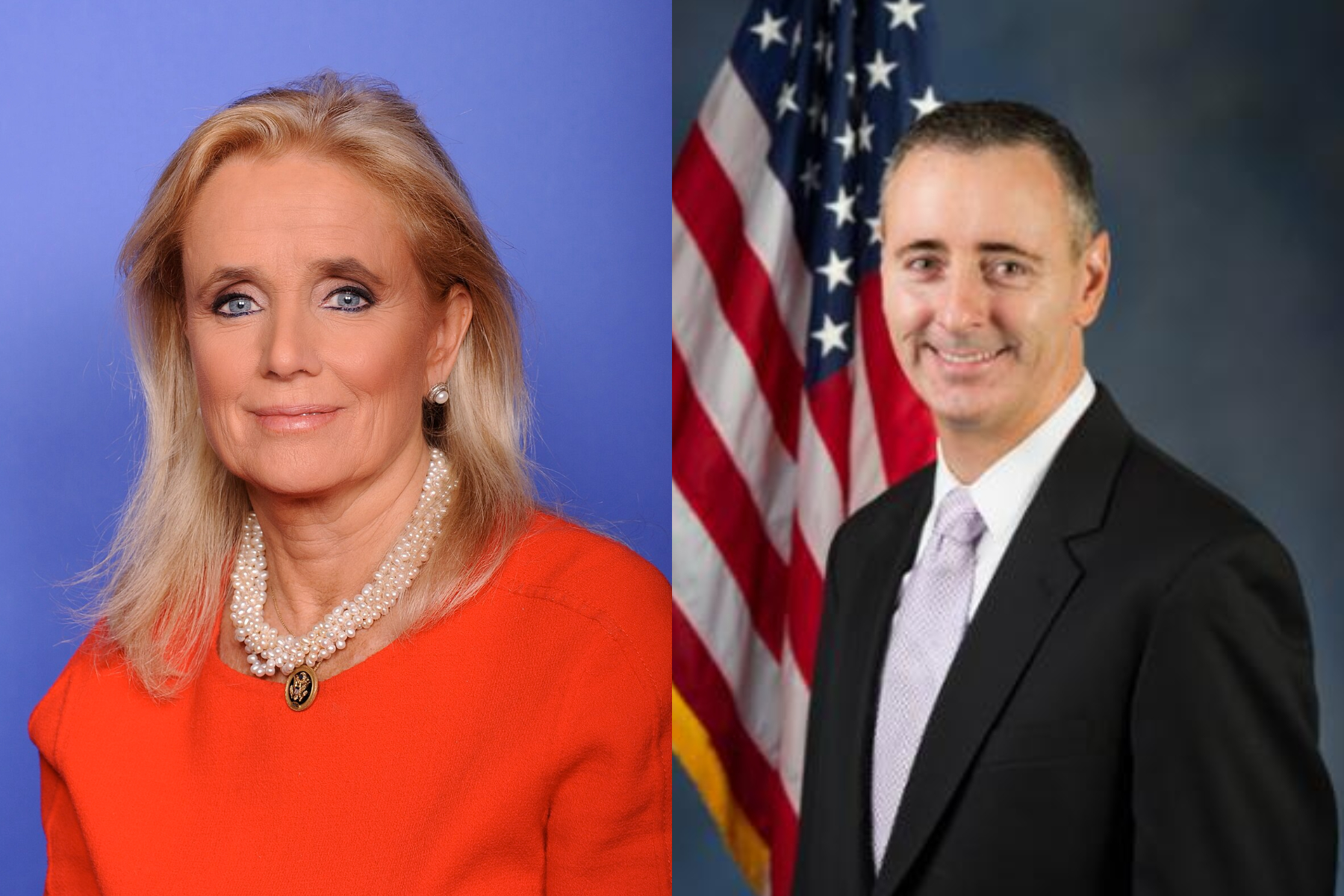
A bipartisan committee in the U.S. House of Representatives is affirming the rights of Disabled people to live in...
By
September 30, 2026

Fear not — Section 504 is still the law. That's the message disability rights attorneys and advocates are stressing...
By
September 25, 2026

Every once in a while an overtly ableist article trounces its way into the social media discourse. Last year,...
By
September 24, 2026