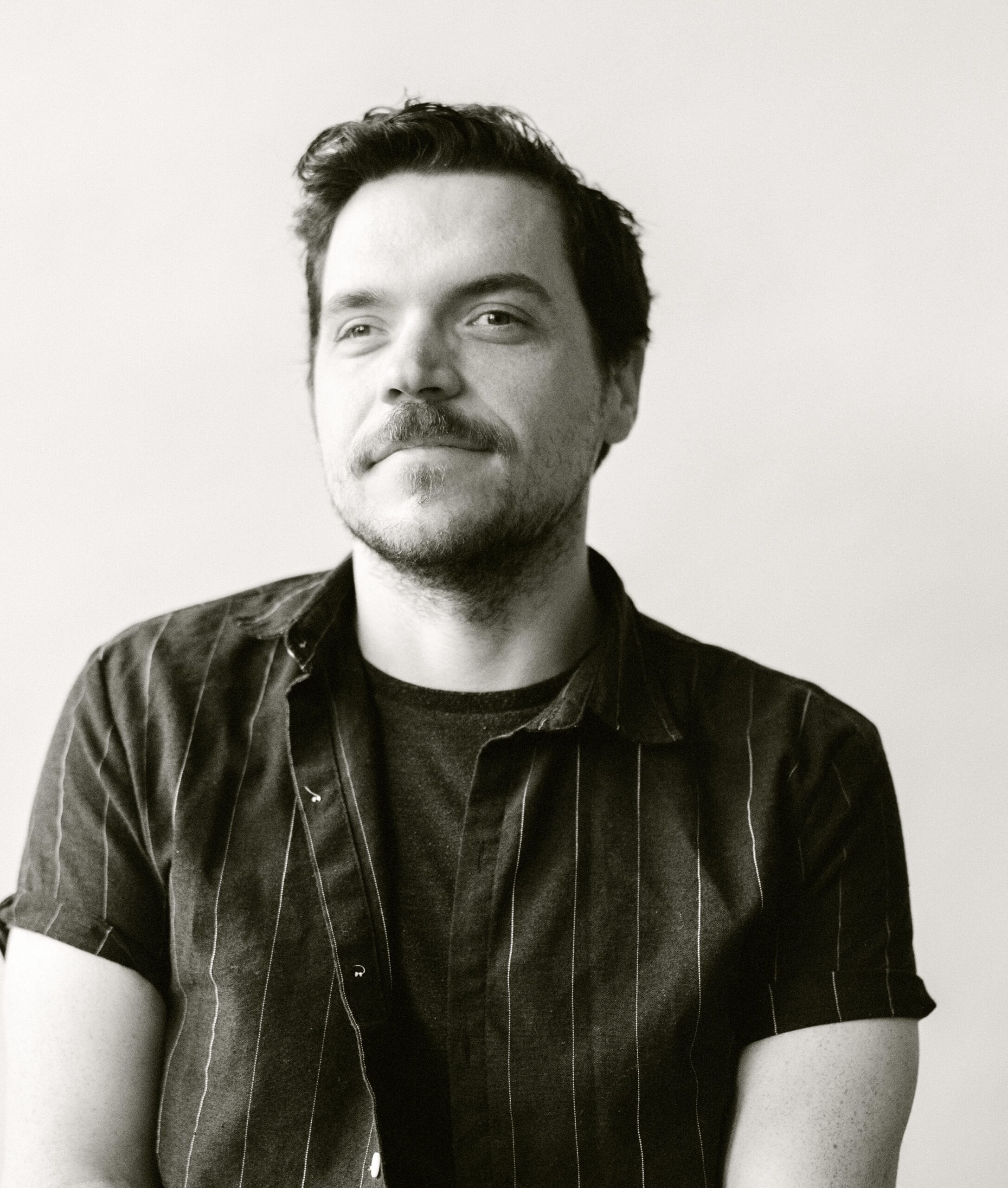
When I started working in media in 2009, at a music publication, I didn’t have the knowledge and skills I do now — but I still had my disabilities. What I’ve learned over the years, going from a touring musician with my band, A Fragile Tomorrow, to a newsroom leader at The Savannahian, to a nonprofit communications professional with multiple organizations, is that there are three key ways I get my job done.
Every day is exciting and challenging as a Disabled journalist, especially for me as someone with cerebral palsy and ADHD. I’m also a father who works from home with my kids, so no two days look the same. The biggest challenge — which applies to both of my disabilities — is getting the ball rolling.
Have a Deadline — but Know Your Limits!
Because of my ADHD, I rely heavily on deadlines to keep me accountable which is why I value journalistic work so much. Even if the deadlines aren’t always met, it’s really important that I have something realistic to work towards because my brain needs a certain amount of pressure to operate effectively. For me, setting deadlines means having buffers. I need at least one, maybe two if I’m lucky. Not necessarily because I know I won’t hit the deadline, but because the buffers ensure that my brain can operate in the way it needs to in order to get things done, and if I can’t muster the capacity in time for the deadline then I can relax knowing that there’s some flexibility for me. What I’ve learned here is that you should always ask for what you need. There’s no shame in ensuring you have guardrails in place for success.
On the CP side, there are days when I’m less physically capable of getting moving. This can mean having a difficult time getting up, dressed, and into my office in the morning. This can shift dramatically depending on the season and plenty of other factors including lack of sleep. Add in the exhaustion and difficulties with focus that come from ADHD, plus the unpredictability of life with two young kids, and it’s a recipe for a very dynamic life. One of the best ways to work around these barriers is by doing something as simple as a quick stretch first thing in the morning, or taking a morning shower to loosen my muscles. Little things like this go a really long way.
Pursue Adaptability
One of the things I’ve learned in journalistic work over the years is that you really have to roll with the punches. You could be working on a piece and put in hours of research and thoughtful preparation, and your source backs out at the last second. Or you don’t get in touch with someone you really wanted to talk to. It can be frustrating, especially as a neurodivergent person, but honing your ability to pivot can go a really long way. It’s something I had to spend years working on, but these days I can really handle the unexpected changes that so often come with doing this work. It doesn’t mean you have to have a plan B in place, it just means that it’s going to be a lot easier to weather the changes if you try to mentally prepare yourself for something potentially going sideways.
Getting to a point where I welcome and ultimately incorporate adaptability into my work wasn’t an easy journey by any means. It took a lot of errors and a lot of frustration to get there. As journalists we need to be prepared, but as someone with ADHD, preparation is not something that comes naturally. I really needed to train my brain to anticipate things; to prepare for a rapid response to things that happen in the moment. In journalism, anything can happen at any time. It takes time and there’s no magic formula to getting there, but over time I just grew accustomed to the unpredictability of our line of work. At the end of the day, it was about experiencing these shifts and having my brain realize that I would be fine.
Have a Notetaking System
Another thing that has been really helpful for me as a Disabled journalist is having a notetaker app attend interviews with me. Otter is the one that I use, and it’s proven to be a great tool for me. You can get a transcript which is essential, of course, but many of these programs will also give you a summary of the conversation which is great for outlining and notetaking. It’s important to note that AI transcription apps are prone to hallucinations, meaning that they can generate inaccurate information. The way around that is to use the AI notes or transcript as a starting point rather than relying on it as a total account of something. Overall, it’s been a wonderful tool. Given my issues with organization, having something that does it for me has been a huge relief in terms of workflow.
Notetaking has been an evolution for me. I have journalistic colleagues who don’t record and transcribe their interviews. Instead, they do furious notetaking while they’re conducting the interview. I have never been able to wrap my head around how that’s possible. For me, notetaking has to start with a recording if it’s an interview, or if I’m just gathering information then it’s critical that I start with a totally lawless and disorganized list of sources, thoughts, and ideas. From there, I organize and pull ideas together as needed.
Moving Forward
At the end of the day, I always tell Disabled folks who want to get into journalism that it can be the best line of work for your productivity if you learn how to use it to your advantage. And, of course, the satisfaction of doing work that moves the needle and is vital to our democracy, transparency, and right to freedom of speech is a whole different kind of fulfillment. Disabled journalists are more essential than ever, because we have lived experiences that are needed in today’s world.
More DJA Coverage
Nine U.S. states are challenging a Biden-era update to Section 504 of the Rehabilitation Act, which allows disabled people...
By
February 5, 2026

XINGCHEN XIAO via Pixabay This week, we have Florida facing obstacles with Disabled parking spaces and extending...
By
January 30, 2026
There is a dearth of coverage about the hundreds of thousands of people, including 21,000 children, who...
By
January 15, 2026