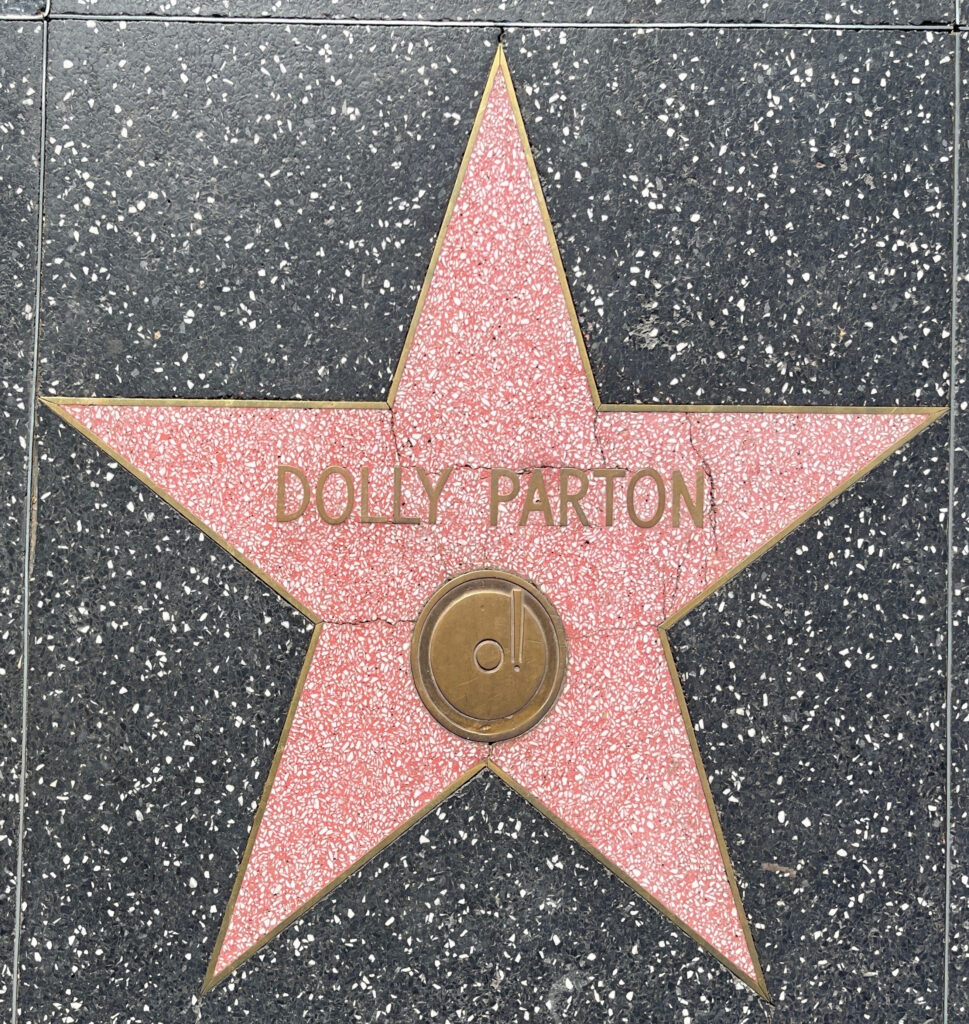
Although achievements in music, film and theater are dominating public remembrances of Dolly Parton, who died this week at age 80, her commitment to disability communities is hard to ignore — even if it often went understated.
From her working-class anthem “9 to 5” to playfully using her acrylic nails as a backing track with Patti LaBelle in 1987, Parton’s charm and public commitment to staying broadly apolitical were underpinned by commitments to marginalized communities.
Parton’s legacy is perhaps best cemented in her work with the Dolly Parton Imagination Library, which has provided hundreds of millions of books to school-age children internationally (and has drawn the ire of some Republicans). She founded the program in 1995 and made it a shining example of social change. She would go on to donate $1,000 per month to families recovering from Hurricane Helene and fund numerous university scholarships.
However, perhaps her deepest philanthropic connection to disability communities was her early funding for the Moderna COVID-19 vaccine. Her initial $1 million donation to Vanderbilt University’s Medical Center kickstarted the development of the vaccine, which would go on—with other mRNA options—to save more than 2.5 million lives, according to researchers.
She also donated to several children’s hospitals. Earlier this year, after Parton made a gift of an undisclosed amount, a children’s hospital in Knoxville, Tennessee was renamed in her honor. In an attempt to combat anti-vaccine sentiment, Parton was the first to receive a dose of the Covid-19 vaccine she helped fund, doing so on camera to promote uptake.
Her death, which comes just a few months after she cancelled a planned Las Vegas residency in the midst of what she likened to her “100,000 mile check up,” was announced by her nephew, who shared a message from the family for her fans around the world.
“Dolly also opened doors for generations of singers, songwriters, musicians, and dreamers from every walk of life and across every continent. By her example, we believed that anything was possible. She never saw a door she couldn’t open, and the doors she opened made and changed history,” he said.
Parton rarely talked about disability, noting in her 2023 book, that she’d be fine being in a wheelchair because, like Mae West, she’d get to keep her high heels on, but she did provide a quote to Insider that same year which fits well within disability culture.
“The way I live, the way I work, the way I feel, I’m going to make every moment count. I may live to be 100 or I may die tomorrow, but whenever that is, I will know I died trying, and I will know I’ve done everything I could to make the most of everything.”
More DJA Coverage

The hoop dreams of the Iran men's wheelchair basketball team have been stopped short/LinghuiXu via Pixabay The...
By
September 14, 2026
On August 20, Arizona State University hockey player and St. Louis Blues draftee Matthew Mayich collapsed due to a...
By
September 9, 2026
Ed Markey has been fighting for disability rights for decades At a very brief first glance, the...
By
September 4, 2026