The 14th Winter Paralympic Games recently got underway. Hosted in Italy, just like their Olympic counterparts, the Winter Games are shorter than the summer version, with a smaller program. Still, there are a whole host of storylines to follow over the next week or so, on and off the field of play.
After all, it wouldn’t be an international tournament—the Paralympics are often cited as being the third largest of the sort, only being beaten out by the Olympics and the FIFA World Cup—without some boardroom controversy.
Inclusion of Belarussian and Russian Athletes
In perhaps the largest story of the Games thus far, 10 Belarussian and Russian athletes have been allowed to compete under their own flag. The backstory is a long one, shrouded in the typical diplomacy (or lack thereof) that accompany these sorts of things. Essentially, just like in its Olympic counterpart, Russian and Belarussian athletes were barred from competing after the 2022 invasion of Ukraine. However, in a break from the IOC’s decision, the International Paralympic Committee (IPC) voted to allow Paralympic athletes back in. However, there was a catch: The sporting federations control the slots for athletes within their own sport, not the IPC, and most had kept their bans in place. Even in cases where a federation had lifted the ban, it was in cases where no Russian and Belarusians were on track to compete.
That all changed when the Court for Arbitration of Sport (CAF), late last year issued a ruling that prohibited these bans. This put the International Paralympic Committee in a bit of a pickle and they decided to select athletes from the two countries. This caused political uproar. While Ukraine hasn’t boycotted the games, their officials have. In a somewhat rare show of solidarity, other national groups, like the Canadian Paralympic Committee have come out in support of Ukraine and against the IPC’s decision.
Proof positive that the Paralympic Games, despite claiming to be apolitical, are anything but.
Lack of Many Delegations at the Opening Ceremonies
It’s common for countries to not send athletes to the Olympic ceremonies. Historically, some events have started prior to the opening ceremonies to fit them all in and some teams choose rest over pomp and circumstance. This can be especially true during both the winter Olympics and Paralympics because of the treks from the athlete village to the competition venue.
However, with the aforementioned political tension, the absence of athletes may be more keenly felt. Seven nations made the decision to skip the opening ceremonies,Czechia, , Estonia, Finland, Latvia, Lithuania, Poland and Ukraine, according to the Guardian, one of the only ways delegations can make their political point clear. Other Paralympic powers, like Great Britain, also declined to attend, citing logistics though they also highlighted their support for Ukraine.
The opening and closing ceremonies of any Paralympic games also showcase Disabled inequality throughout the world. This is because, while many athletes compete in state-of-the-art equipment, that progress has not translated to the equipment they use day-to-day. Announcers at the opening and closing ceremonies often highlight the barriers to access that para athletes face at a systemic level. While this tends to be more obvious during the Summer Games, there will undoubtedly be stories shared that highlight baffling inaccessibility.
Will the Lack of Gender Diversity in Para Hockey Hit the Headlines?
Para hockey is theoretically gender inclusive. This means teams have players from all genders, although women’s para hockey is growing. Why theoretically? Well, the number of women who have competed in the sport at the Paralympics is in the low single digits. Of the eight teams competing this time around only two, Slovakia and Japan, have a woman on their roster. That, in and of itself, is a record.
In countries like Canada, one of the frontrunners for a medal, the lack of gender diversity has increasingly become the subject of mainstream media attention as women’s national teams have unsuccessfully pushed for funding. The women’s team is not directly funded by Hockey Canada, and a lot of the athletes are clamoring for a women’s competition in 2030. The first women’s world championship was held last year in Slovakia. This development mirrors the focus other integrated para sports, like wheelchair rugby, have had in recent years when it comes to creating another pathway for women to play at the highest levels.
Who Wins the Medals?
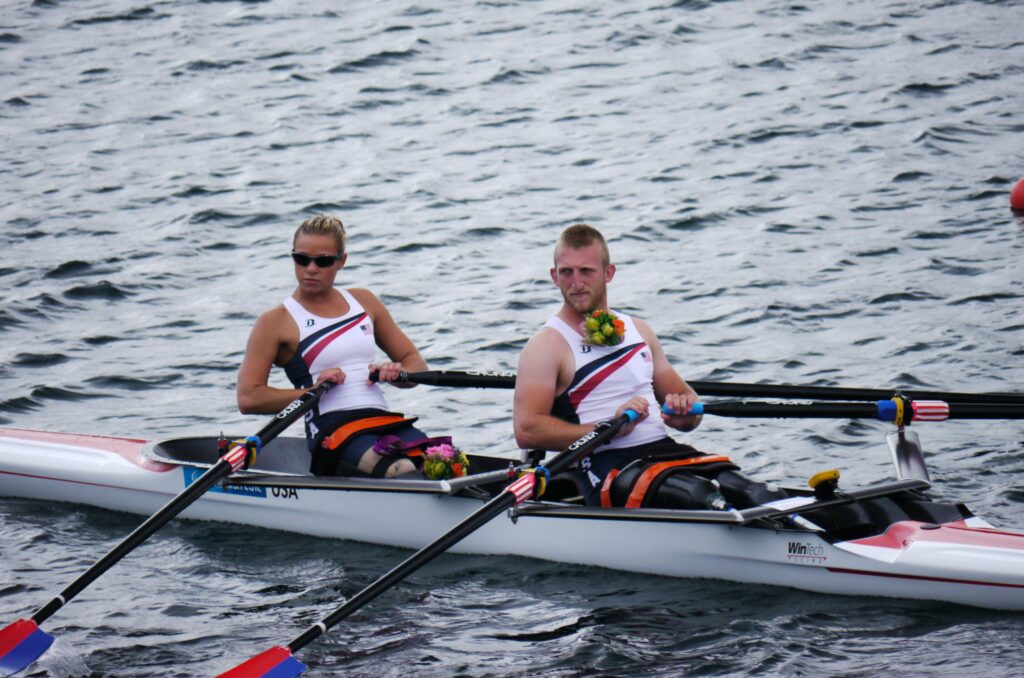
And then there’s the big question: who will take home the hardware? The U.S. para hockey team will look to complete the triple crown, with the Olympic women’s and men’s teams also winning gold. Oskana Masters and Aaron Pike, who are engaged, are looking to fill their household with more medals. Both compete in summer and winter sports, a longstanding tradition in para sport. Pike has been to every Paralympics since 2012 and Masters has already won 20 medals.
Beyond the red, white, and blue, China will look to build on their big medal jump—they added 60 between 2018 and 2022. Canada is likely to meet the Americans in the para hockey final (sound familiar?) and mixed doubles curling will make its debut at the games.
More DJA Coverage
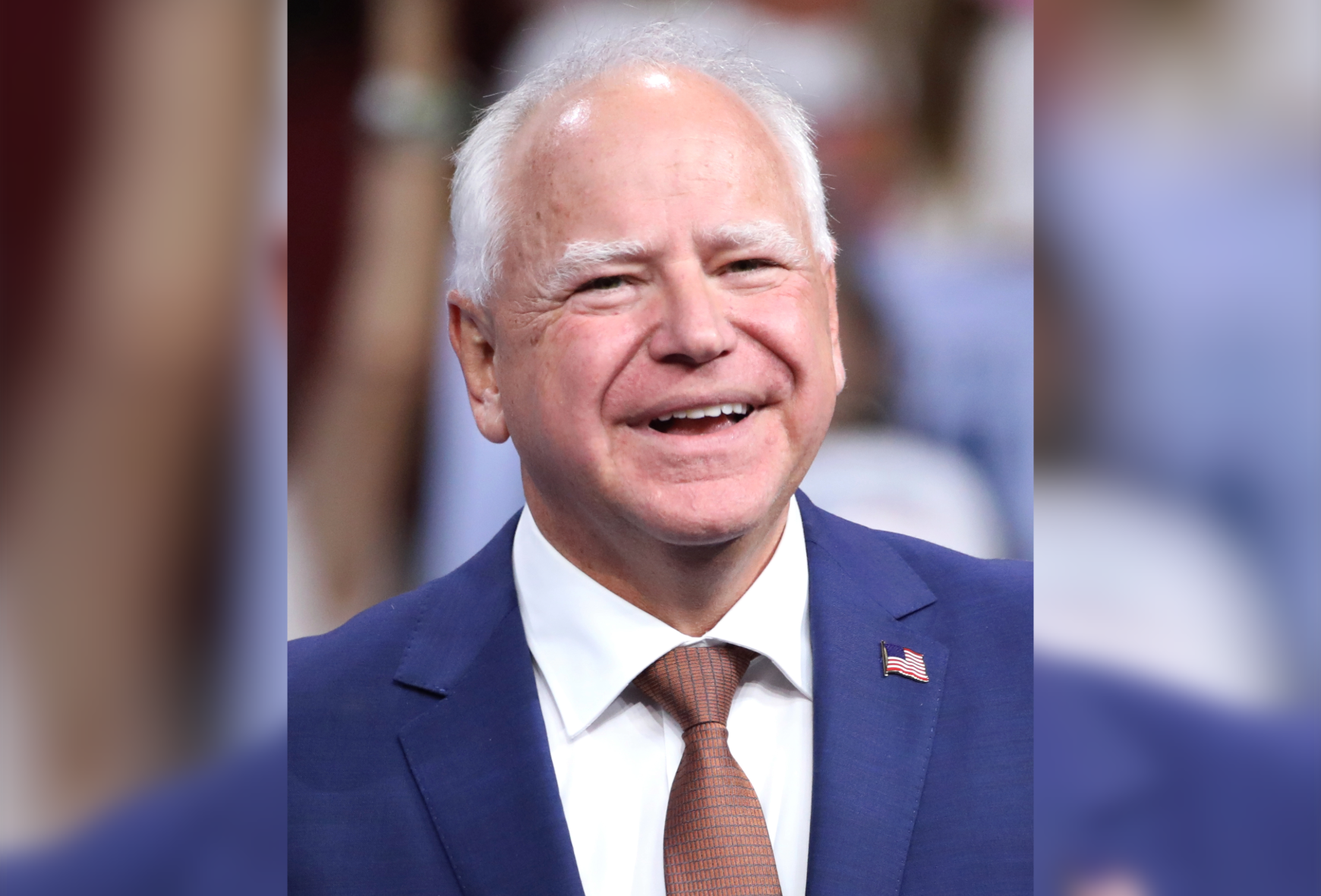
The Minnesota Department of Human Services is planning to replace Housing Stabilization Services, a Medicaid program that was so...
By
October 12, 2026
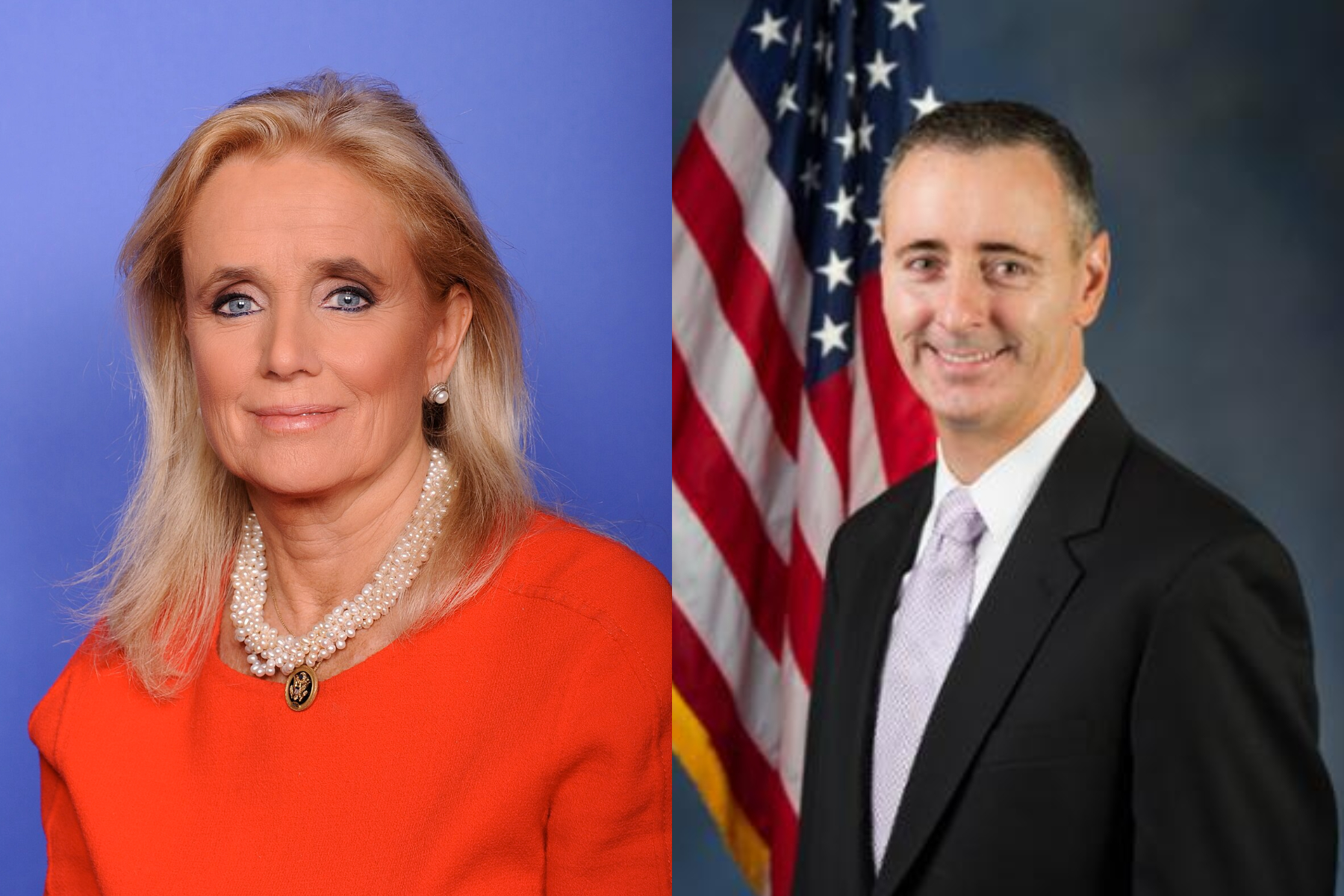
A bipartisan committee in the U.S. House of Representatives is affirming the rights of Disabled people to live in...
By
September 30, 2026
Fear not — Section 504 is still the law. That's the message disability rights attorneys and advocates are stressing...
By
September 25, 2026